Power Design for Medical & Beauty Equipment: Safety, Stability and User Comfort
Power Design for Medical & Beauty Equipment: Safety, Stability and User Comfort
Professional medical and beauty equipment must often balance a compact form factor with reliable operation, low noise and a clear safety strategy. The power supply should be considered early in the product architecture—not only when the enclosure is nearly complete.
Start with the equipment context
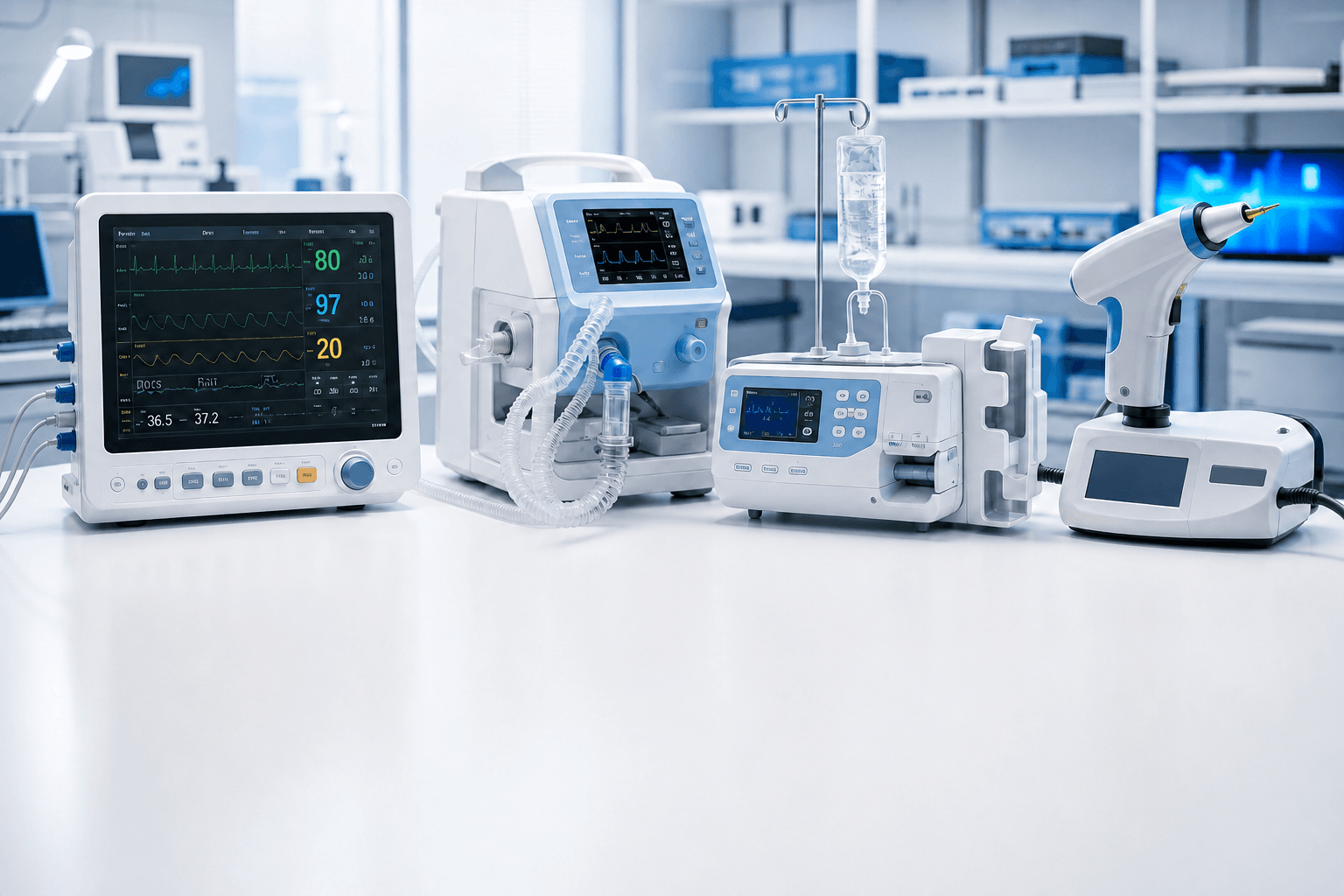
A monitoring device, diagnostic accessory and aesthetic treatment system may each need a tailored combination of output stability, isolation approach, thermal behavior and cable management. Applicable market and safety requirements should be confirmed for the intended product and region.
Key points for an early engineering discussion
- Where the equipment will be used and who will operate it
- Required output behavior and tolerance for ripple or noise
- Enclosure space, ventilation and acoustic expectations
- Relevant compliance route and documentation needs
Reliability should feel invisible
In professional care environments, the best power system is the one that lets the operator focus on the person in front of them. Stable behavior and a practical mechanical design help equipment feel dependable day after day.
Important notePower selection should always be reviewed against the applicable device standard, risk-management process and regional requirements for the final product.
Use customization where it improves workflow
OEM and ODM work can align connector placement, cable routing, enclosure size and user-facing indicators with the intended workflow.
Need a power solution for