Compact Power, Better Consumer Experiences
Power design is often invisible in consumer electronics—until heat, bulk, instability or inconvenient charging makes the product feel less refined.
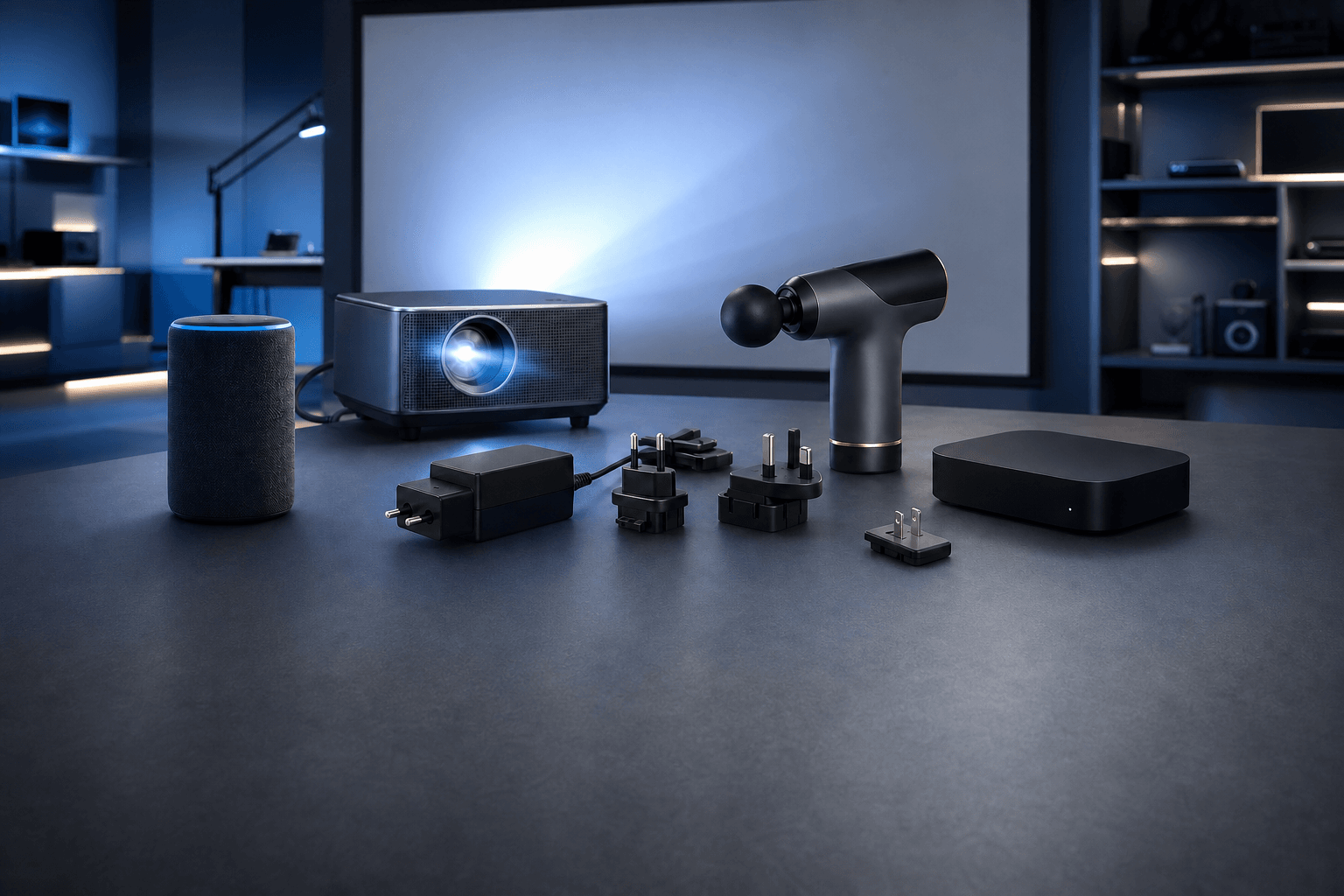
From smart speakers and projectors to personal care devices and compact media products, consumer electronics demand a careful balance of performance, aesthetics and cost. The power system needs to fit the product rather than forcing the product to fit it.
Form factor is a user-experience decision
External adapters, internal power boards and charging accessories all influence how a product looks, feels and travels. Early decisions about dimensions, cable orientation and connector style can make a noticeable difference to daily use.
Common design priorities
- Compact size without unnecessary thermal compromise
- Stable power for sensitive electronics and connected features
- Appropriate connector and cable arrangement
- A practical path for product variants and regional markets
Keep the system simple for the customer
Customers want a product that starts reliably, works consistently and does not add clutter. A carefully integrated power solution supports that simplicity while giving product teams the flexibility to evolve features over time.
Customization can be practicalColor, enclosure shape, cable length, plug configuration and markings can all be considered as part of a coherent consumer product experience.
Bring engineering and brand together
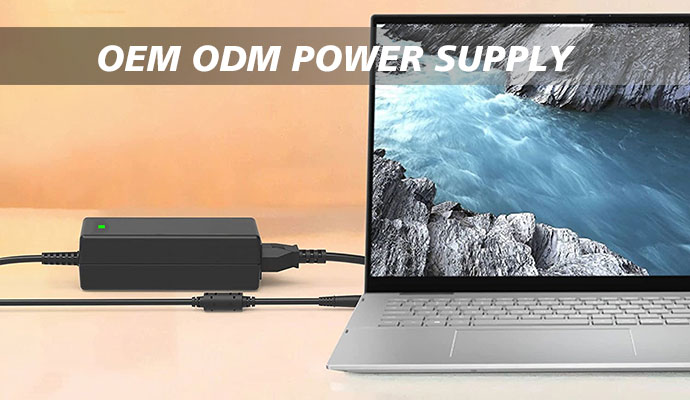
For consumer electronics, electrical design and brand perception are closely linked. A responsive OEM or ODM process helps teams resolve both without treating one as an afterthought.